Modular Production
Process engineering is on the eve of profound change. Smaller batch sizes, increasing product diversity and the need for rapidly adaptable production facilities call for new approaches to the planning, operation and further development of industrial plants. One promising approach is the modularisation of production systems: individual process steps are implemented using specialised Process Equipment Assemblies (PEA), which can be interconnected to form complete processes. This interconnection takes place not only physically via defined interfaces, but also at the control level (Process Orchestration Layer) via the standardised automation interface Module Type Package (MTP).

Project goals

Within REUNION, suppliers, operators, universities and regulatory authorities are working together to clarify the requirements for such modules and subsequently put them into practice. Particular emphasis is placed on bridging the gap between research and industrial application. The newly developed and further refined modules will be MTP-automated, and their energy efficiency will be made transparent through energy KPIs. The aim is also to further develop the MTP standard. The compatibility of different modules is demonstrated in joint set-ups. The further development of MTP with energy KPIs and its integration into the Process Orchestration Layer is implemented and verified using demonstrators. The modules are documented in accordance with the FAIR (findable, accessible, interoperable, reusable) principles, enabling flexible process development and approval of modular chemical plants.
REUNION at FST
Our research investigates how modular systems can not only be implemented technically, but also systematically described, interconnected and optimised. The focus is on developing semantic, machine-readable documentation that remains usable throughout the entire lifecycle of the systems. To this end, information is converted into knowledge models and linked in a graph database to enable data access for various stakeholders, such as PEA manufacturers, automation specialists, operators of modular systems and regulatory authorities.
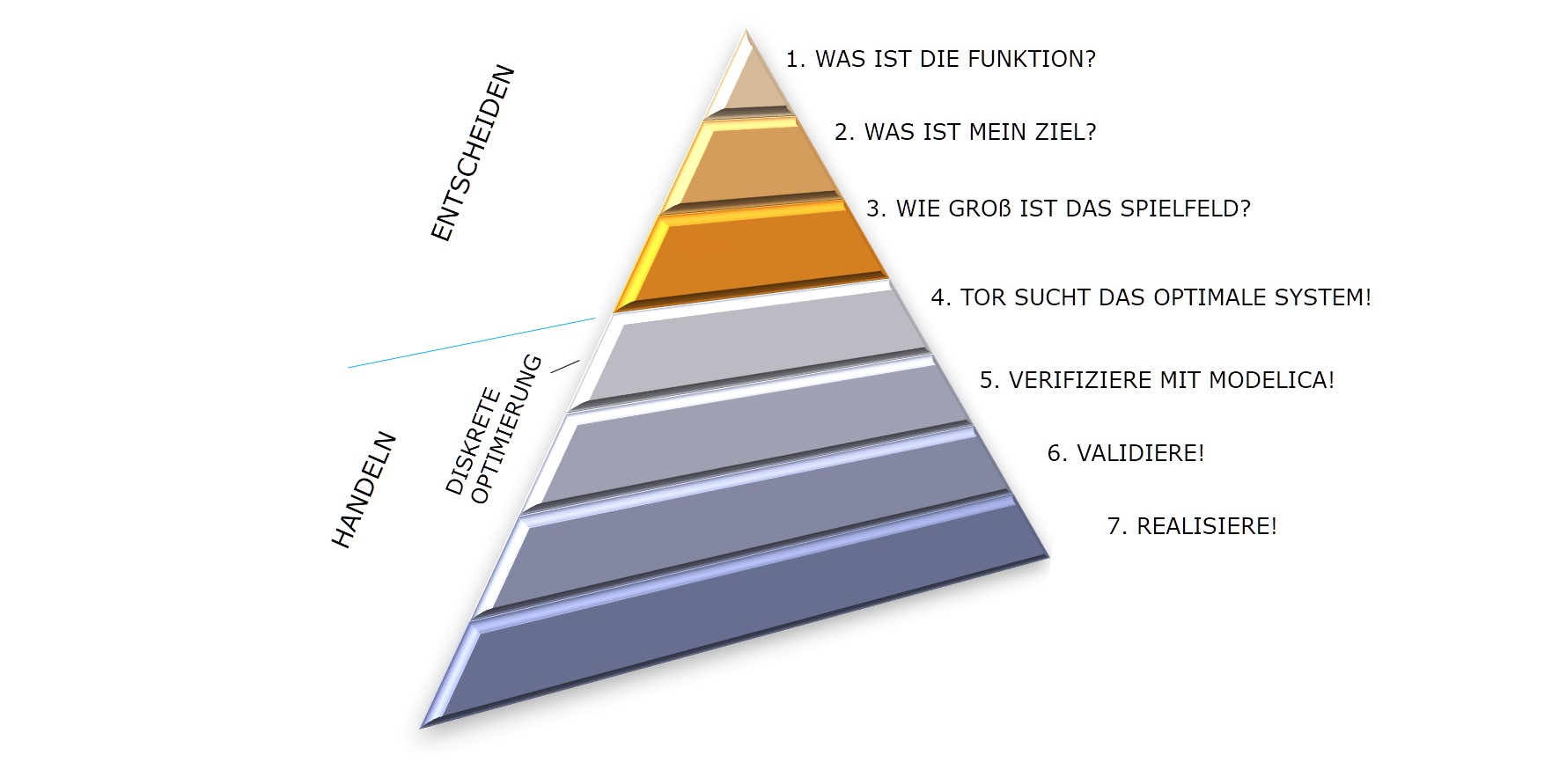
On this basis, we are developing approaches for the selection, interconnection and operation of modular plants that take technical, organisational and IT aspects into account collectively. This results in tools with which modular production systems can be designed not only to be more flexible, but also more transparent and sustainable. In doing so, we are contributing to the scientific foundation and practical implementation of modular process engineering as a key technology for sustainable production.